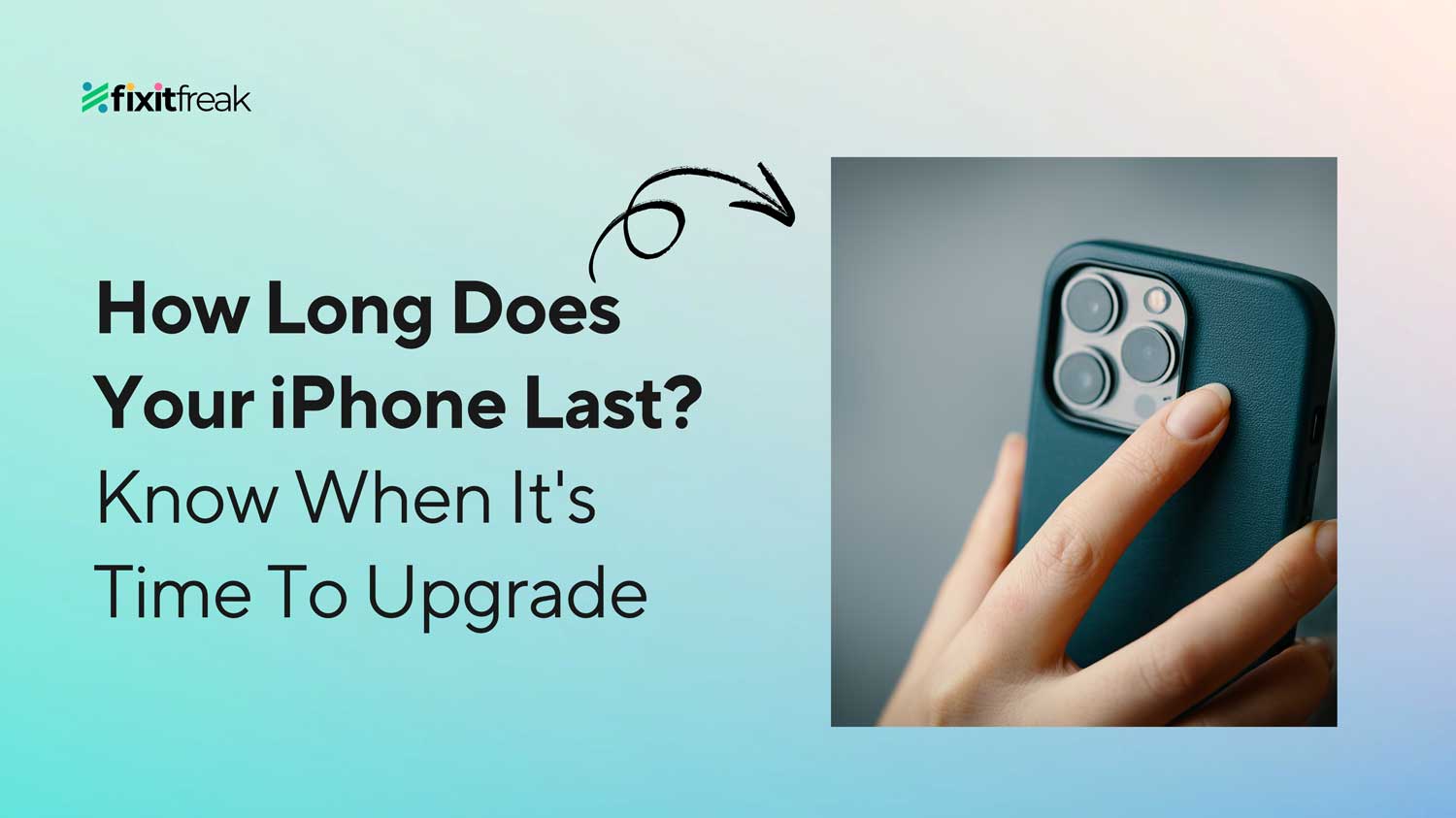
Did you know that over 1 billion people worldwide use iPhones? That’s a lot of phones, and it’s natural to wonder how long they’ll last.
You might be asking yourself, “When should I upgrade my iPhone?”
It’s a common question, especially when you’re trying to balance having the latest tech with getting the most out of your current device.
The truth is that iPhones can last quite a while, but their lifespan depends on a few key factors.
In this article, you’ll learn about how long Apple typically supports iPhones with software updates.
We’ll also talk about the general lifespan of these devices and other things that might affect your decision to upgrade.
Plus, you’ll get some tips on the best times to buy a new phone so that you can make the most of your investment.
By the end of this article, you’ll have a clear understanding of when it might be time to consider a new iPhone.
Let’s dive in and help you make the best decision for your needs and budget.
How long does your iPhone last?
Your iPhone’s lifespan isn’t set in stone, but there are some general patterns you can expect.
After about two years, you might notice your iPhone isn’t as good as it used to be.
This slowdown can happen sooner if you’ve accidentally dropped your phone a few times or put it through some rough handling.
Realistically, you can expect your iPhone to work at its best for about two and a half years.
But many people keep their iPhones for five years or even longer.
To stretch your iPhone’s life, you might need to visit an Apple Store for some tune-ups, like getting a new battery or replacing a cracked screen.
So, what’s the bottom line? Your iPhone should give you about two to three years of great performance.
If you’re using an iPhone 14 that’s still working well, you probably don’t need to rush out and buy the iPhone 15. Unless you really want those new features.
On the other hand, if you’re still holding onto an iPhone 11 or 12, you might find that upgrading gives you a noticeable boost in performance and features.
When you should buy a new iPhone
Let’s look at the signs that tell you it’s time for a new iPhone:
1. Your iPhone is slowing down
Is your iPhone getting sluggish or glitchy? This could mean it’s time for an upgrade.
It’s better to plan than to wait for your phone to stop working completely. You don’t want to lose important data or be left without a phone unexpectedly.
2. Your battery is causing trouble
If your battery is draining faster than usual, you might need a new iPhone.
While you could replace the battery, sometimes this is just one of many issues that come with an aging phone.
3. Your iPhone can’t get the latest updates
When your iPhone can’t run the latest iOS, you’re missing out on new features and important security updates. This is a clear sign it might be time to upgrade.
Apple typically supports iPhones with software updates for about 5 to 6 years after their release.
For example, the iPhone 12, released in 2020, is likely to receive updates until around iOS 19 or 20 (expected around 2025-2026). After that, it won’t get the latest iOS versions.
To check if your iPhone can get the latest updates:
- Go to “Settings” on your iPhone.
- Tap “General“.
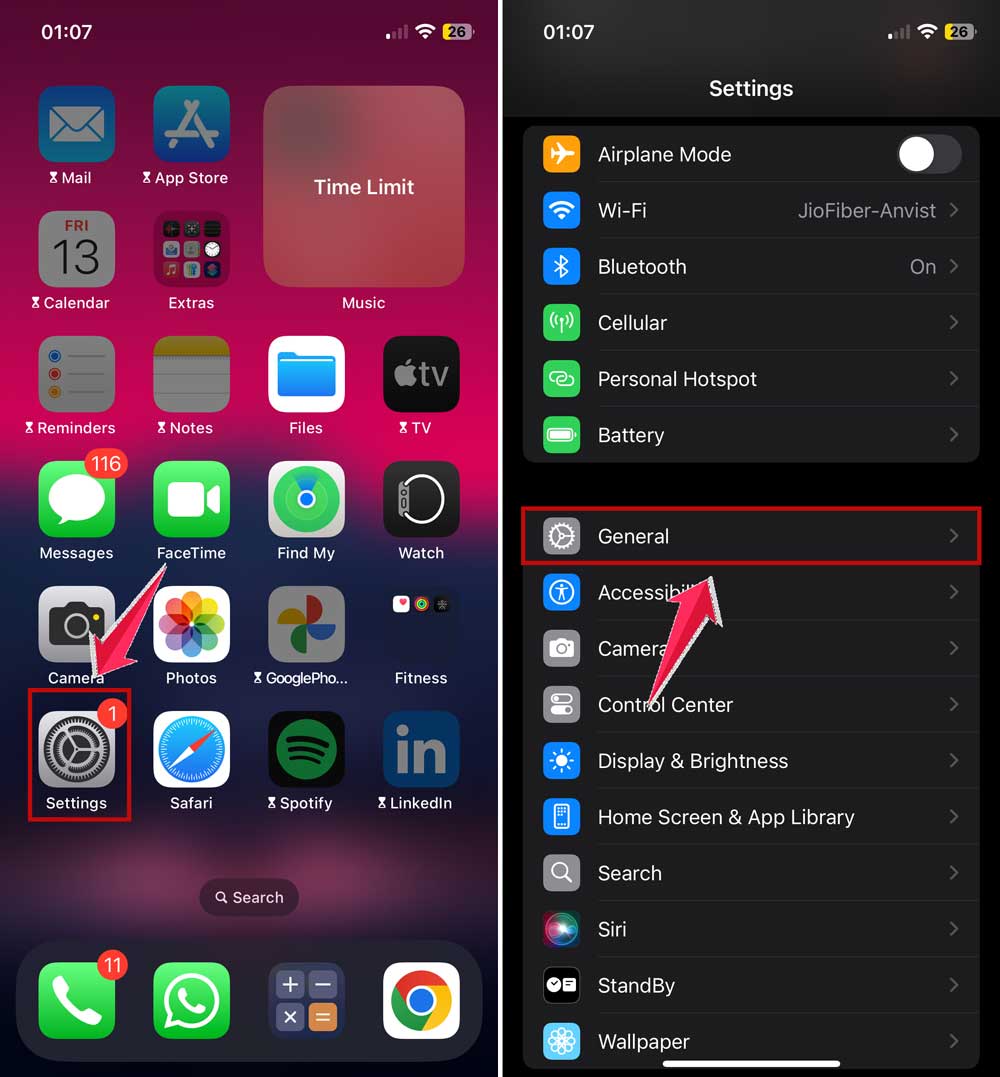
- Tap “Software Update“.
- If there’s an update available, you’ll see it here. If not, your phone might be too old for new updates.

If you’re struggling to update because of connection issues, here’s how you can update your iPhone even without Wi-Fi.
4. Your iPhone has physical damage
If your iPhone has a cracked screen, broken buttons, problems like SIM card issues, or other damage you’ve been putting off fixing, it might be more cost-effective to upgrade.
Just remember, a well-maintained phone can get you a better trade-in value.
5. There are great deals available
Keep an eye out for promotions from your carrier, especially around new iPhone launches in early fall. These can be a great opportunity to upgrade at a lower cost.
6. A new iPhone has features you need
Sometimes, a new iPhone model has a feature that solves a problem for you – like a better camera or 5G capability.
If your current device struggles with camera performance, it might even help to reset your iPhone camera settings before deciding to upgrade.
7. You simply want a new iPhone
If you can afford it and you’re excited about a new iPhone, that’s reason enough! You could even pass your old phone on to someone who needs it.
Remember, the right time to upgrade is different for everyone.
Consider your needs, your budget, and the condition of your current phone when making your decision.
The best time to buy a new iPhone
Timing your iPhone purchase can help you get the best value. Here’s what you need to know:
1. September is often the ideal month
Apple usually launches new iPhone models in September. This is a great time to buy because:
- You can compare the latest iPhone with previous versions.
- Older models might get price reductions.
- Carriers often offer special promotions on new models.
2. Avoid mid-summer purchases if possible
Buying a new iPhone in mid-summer can be frustrating.
You might find out a few months later that you could have gotten a better model for the same price or even less.
3. Your needs should guide your timing
While September is often ideal, the best time to buy a new iPhone is when you really need one.
Don’t wait if your current phone is causing you problems or can’t meet your needs.
4. Prepare for your upgrade
Before you buy a new iPhone, it’s a good idea to:
- Back up your current iPhone data.
- Sign out of iCloud and other services.
- Erase your personal information.
These steps will make it easier to sell or trade in your old iPhone and set up your new one.
The takeaway
Deciding when to get a new iPhone isn’t always easy.
You might notice your current phone slowing down, having battery problems, or missing out on new features. These are all good reasons to think about upgrading.
September is often a great time to buy a new iPhone. That’s when Apple usually releases new models, and you might find good deals on older ones.
But remember, the best time to upgrade is when you really need to. Don’t wait if your current phone is causing you problems.
Some people think they need to upgrade every year, but that’s not always necessary.
Many iPhones have worked well for several years. What’s most important is that your phone meets your needs and fits your budget.
In the end, the right time to get a new iPhone is different for everyone.
Think about what you need from your phone, what you can afford, and whether the new features will really improve your daily life.
When you’re ready to upgrade, make sure to back up your data and prepare your old phone for its next owner.
What do you think about upgrading your iPhone? Share your thoughts in a comment below!