Did you know that incorrect time settings on your Mac can lead to missed deadlines, failed software updates, and syncing errors with your other devices?
If you’ve just noticed your Mac’s clock is off, don’t worry – you’re not alone. Many Mac users face this issue, especially after traveling or when daylight saving time changes.
You’re probably here because your Mac is showing the wrong time, and it’s causing problems. Maybe you can’t access certain websites, your emails are timestamped incorrectly, or your calendar events are all mixed up. These issues can be frustrating and even impact your work or personal life.
The good news is that fixing your Mac’s date and time is simpler than you might think. In this guide, we’ll walk you through the process step-by-step.
Whether you need to set the time automatically or manually, we’ve got you covered. We’ll also help you troubleshoot common issues so you can get your Mac back on track quickly.
Why your Mac needs the right time and date
Having the correct time and date on your Mac is crucial. Here’s why:
1. Your files record the accurate date when they were created
When you make or change files, the right time stamp helps you keep track of different versions. This means you’ll always know which file is the newest.
2. Your Mac does tasks on time
Your Mac uses its clock to know when to do important jobs like backups and updates. If the time is wrong, these tasks might not happen when they should.
3. Your online accounts work properly
Many websites and apps check your Mac’s time to make sure it’s really you logging in. If your time is off, you might get locked out of your accounts.
4. Your messages make sense
When you send emails or messages, the correct time helps avoid mix-ups. It ensures everyone knows when you sent something or when a meeting is supposed to happen.
Keeping your Mac’s time and date accurate helps everything run smoothly. It’s a small thing that makes a big difference in how well your Mac works for you.
Now, let’s explore how to adjust these settings on your Mac.
How to access date and time settings on your Mac
To get started, follow these steps:
- Click on the Apple menu in the top-left corner of your screen.
- Select System Settings (or System Preferences on older macOS versions).
- Click on General in the sidebar.
- Scroll down and click on Date & Time.
You may need to click the lock icon and enter your administrator password to make changes.
How to set date and time automatically on your Mac
The easiest and most accurate way to keep your Mac’s clock in sync is to let it set the time automatically:
- In the Date & Time settings, check the box next to “Set date and time automatically“.
- Your Mac will use Apple’s time servers by default, but you can click Set to choose a different time server if needed.
Using automatic settings ensures your Mac stays in sync even when daylight saving time changes occur or if you travel to a different time zone.
How to manually set date and time on your Mac
If you need to set the date and time manually for any reason:
- Uncheck “Set date and time automatically“.
- Click the Set button next to “Date and time“.
- Use the calendar and clock interface to set your desired date and time.
- Click Set to confirm your changes.
Remember that manual settings won’t adjust for daylight saving time or time zone changes automatically.
How to manage time zone settings on your Mac
Your Mac can also automatically update your time zone based on your location:
- Check the box next to “Set time zone automatically using your current location“.
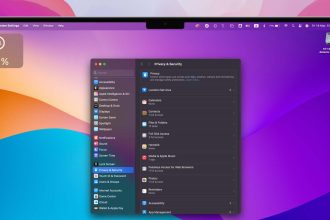
- Ensure Location Services are enabled in your Privacy & Security settings for this to work.
To manually set your time zone:
- Uncheck “Set time zone automatically using your current location“.
- Click Set next to “Time zone“.
- Type a nearby city into the search field or click on the map to select your location.
- Click OK to confirm.
Customizing time display options
You can adjust how time appears on your Mac:
- Toggle “24-hour time” to switch between 12-hour (e.g., 3:00 PM) and 24-hour (e.g., 15:00) formats.
- To change how the date and time appear in the menu bar, go to Control Center settings in System Settings.
How to use Terminal to force time sync
For advanced users, you can use Terminal to manually force a time sync:
- Open Terminal from your Applications > Utilities folder.
- Type the following command and press Enter:
sudo sntp -sS time.apple.com - Enter your administrator password when prompted.
- Restart your Mac to ensure changes take effect.
Troubleshooting date and time issues
If you’re experiencing problems with your Mac’s date and time settings, try these steps:
1. Check your internet
Your Mac needs the internet to set the time automatically. Make sure you’re connected.
2. Restart your Mac
Turning your Mac off and on again can often solve time problems.
3. Update your Mac
Make sure your Mac has the latest software:
- Click the Apple menu.
- Choose System Settings.
- Click General, then Software Update.
- If there’s an update, install it.
4. Reset the SMC (for older Macs)
If you have an older Mac with an Intel chip:
- Shut down your Mac.
- Hold the power button for 10 seconds.
- Let go and wait a few seconds.
- Turn your Mac on again.
This resets a part of your Mac that controls various functions, including time.
5. Look for software conflicts
Some security programs or network settings can mess with your Mac’s time. If you’ve recently installed new software or changed network settings, this might be the cause.
Remember, if you’ve tried these steps and your Mac’s time is still wrong, you might need to contact Apple Support for more help.
Why the right time on your Mac matters
When your Mac’s time is wrong, you might run into problems:
1. Trouble with secure websites
Websites that should be safe might show up as unsafe. This can stop you from using important sites.
2. App Store issues
You might not be able to get new apps or update the ones you have. This can leave you with outdated or missing software.
3. Problems with syncing
Your files and information might not sync properly between your devices. This can mean you don’t have your latest work on all your devices.
4. Backup troubles
Your Mac might not back up your files correctly. This could mean you lose important information if something goes wrong with your computer.
Date and time formats across your system
While the system clock governs the overall time, you can customize how dates and times appear in different apps and contexts:
- Go to System Settings > General > Language & Region.
- Here you can set your region, which influences date and time formats.
- Click Advanced to fine-tune specific format settings for dates, times, and numbers.
These settings affect how dates and times are displayed in various applications across your Mac.
The takeaway
Now that you know how to adjust your Mac’s date and time, you can easily keep your device in sync with the world around you. Remember, letting your Mac set the time automatically is usually the best option for most users. It takes the guesswork out of managing time zones and daylight saving changes.
If you’re still having issues, don’t forget to check your internet connection. Your Mac needs to connect to Apple’s time servers to stay accurate. Also, restarting your Mac can often resolve persistent time-related problems.
The most important thing to remember is this: don’t ignore time discrepancies on your Mac. Even a few minutes off can lead to bigger issues down the line. By taking a moment to ensure your Mac’s clock is correct, you’re setting yourself up for smoother sailing in your digital life. Your future self will thank you for taking care of this now!
Have you successfully updated your Mac’s time settings? If you’re still facing issues or have any questions, feel free to leave a comment below. We’re here to help you keep your Mac running smoothly.