You’ve probably heard the word “blockchain” many times. It often comes up with Bitcoin, crypto, or digital wallets.
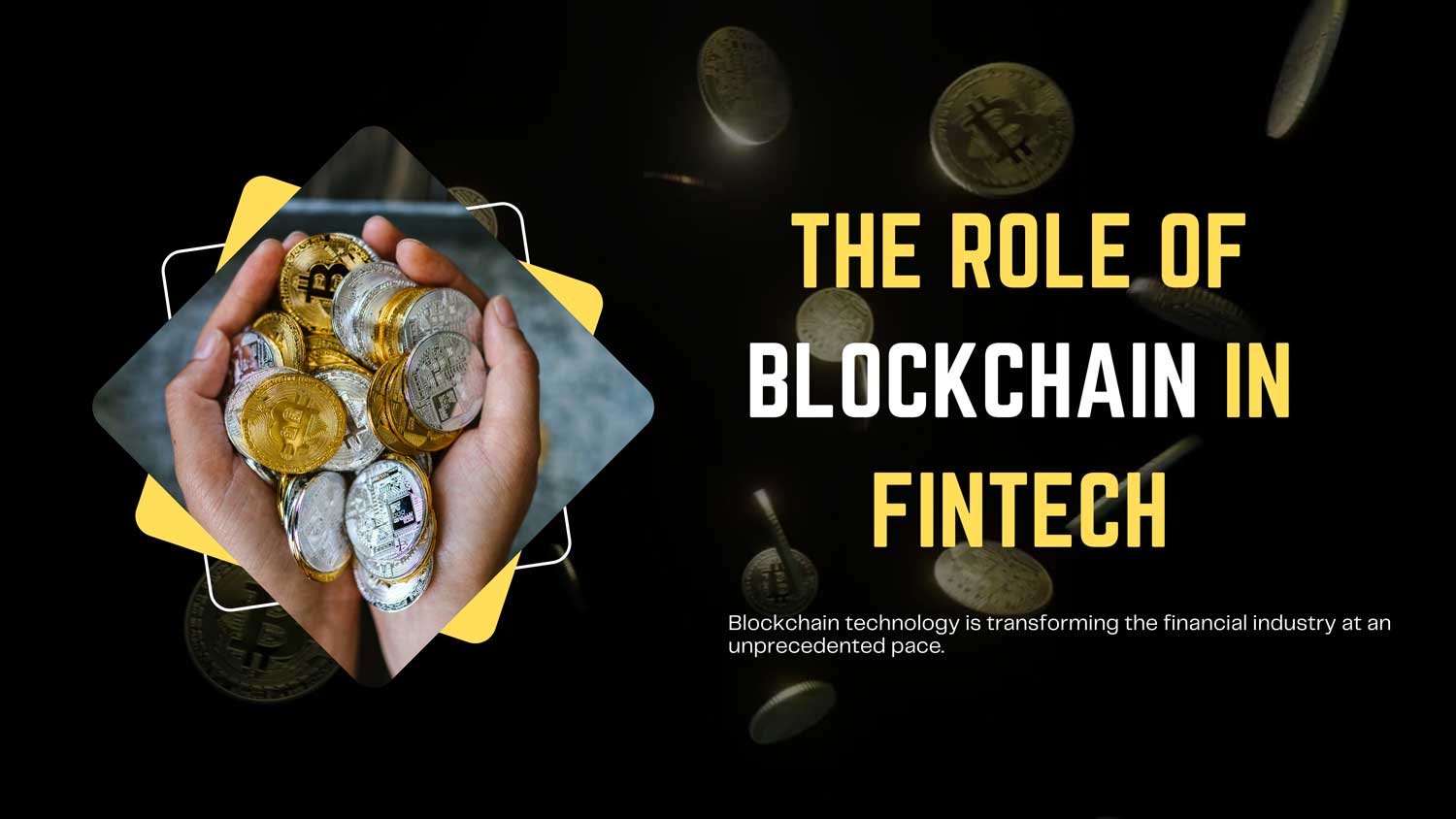
But blockchain isn’t just about cryptocurrency anymore. It’s now reshaping the financial industry, often called Fintech (short for financial technology).
If you’ve ever paid someone using your phone, used a digital bank, or checked your loan status online, you’ve touched Fintech. Now, blockchain is becoming one of its key building blocks.
Let’s break down what blockchain means for Fintech without complicated jargon.
So, What Is Blockchain Anyway?
Imagine a notebook that tracks every transaction ever made. Instead of one person holding it, everyone has a copy.
When someone adds a new entry (like a payment), it’s instantly shared with everyone else. This notebook can’t be tampered with. If one copy doesn’t match the others, it’s rejected. That’s blockchain in simple terms.
It’s a secure, digital ledger shared across many computers. No one person or company owns it, and once something is recorded, it’s hard to change.
Why Does Fintech Care About Blockchain?
Fintech companies want faster, cheaper, and safer ways to move money and share data.
Traditional systems like banks and credit card companies have limits. They’re slow, have high fees, and rely on middlemen.
Blockchain removes many of those roadblocks.
Here’s how:
- It’s faster: Transactions can be confirmed in minutes, not days.
- It’s cheaper: Fewer middlemen mean lower fees.
- It’s secure: Every transaction is encrypted and stored across a network.
- It’s transparent: Everything is recorded and can be verified.
How Blockchain Is Being Used in Fintech Today
Let’s look at how blockchain is making a difference in finance.
1. Faster and Cheaper Payments
Think about sending money to another country. You usually go through a bank or service like Western Union. It can take days, and they charge a fee.
Now imagine doing it instantly and for almost nothing.
That’s the power of blockchain.
Fintech apps are using blockchain to send money across borders with no middlemen. Platforms like Ripple and Stellar allow users to move money globally in seconds, helping individuals and businesses.
A reliable crypto OTC trading platform plays a crucial role here, offering secure, high-volume transaction handling with minimal market impact.
2. Smart Contracts
Let’s say you’re a freelancer hired to build a website. You’re worried about getting paid. The other person is worried about paying before the work is done.
A smart contract can solve that.
It’s code on the blockchain that releases money automatically when conditions are met.
For example, “Pay $500 once the website is submitted.” No need for a lawyer or a drawn-out agreement. It’s all automated and secure.
Fintech platforms are using smart contracts for loan approvals, insurance payouts, and freelance payments.
3. Safer Identity Verification
Opening a bank account usually means showing documents and waiting for approvals.
What if your identity could be verified once and stored securely on the blockchain?
Some Fintech companies are working on this. Once your ID is verified, it’s stored in an encrypted format only you can unlock. No more repeating the same process for every new app or bank.
If a hacker breaks into one system, they still can’t steal your data because it’s decentralized.
4. Transparent Lending and Credit Scores
Ever applied for a loan and wondered why you got rejected?
Credit scores are often hidden. You don’t always know what factors affected your approval.
Blockchain can change that.
By recording loan history, payments, and credit data on a shared system, users can see and control their financial reputation.
It also allows people in remote or low-income areas to build credit history through peer-to-peer lending apps powered by blockchain.
5. Tokenization of Real-World Assets
Here’s a fun one: You can now own a piece of a building, a car, or even artwork, thanks to blockchain.
This process is called tokenization.
Instead of needing thousands of dollars to buy real estate, blockchain lets you invest in fractional ownership. You get digital tokens that represent your share. These tokens can be traded like stocks or crypto.
It makes investing easier and more accessible to everyone, not just the rich. Crypto solutions for fintech projects are such a great example.
Fintech companies are using this concept to let people invest in properties, art, businesses, and more.
6. Fraud Prevention
Let’s be honest. Online finance can feel risky.
What if someone pretends to be you or changes records?
Blockchain fixes a lot of that. It’s nearly impossible to change past records without everyone noticing.
This makes fraud much harder.
It’s used in insurance to prevent fake claims. If every step of a process (like applying for insurance or filing a claim) is recorded on the blockchain, there’s always proof of what really happened.
7. DeFi. The Big Disruptor
You might’ve heard of DeFi, short for Decentralized Finance.
This is Fintech without banks.
DeFi platforms let people borrow, lend, earn interest, and trade without needing a bank account. It’s open to anyone with an internet connection.
The entire system runs on smart contracts and blockchain. You can earn interest on your crypto, lend it out, or take loans instantly.
While it’s still risky and evolving, it shows how blockchain could lead to a future where financial services are fully automated and global.
But… It’s Not All Perfect Yet
Let’s be real. Blockchain still has some growing to do.
- It’s not very user-friendly. Many platforms feel too technical for average people.
- It can be slow when the network is busy.
- Governments are still figuring out how to regulate it.
Still, the momentum is clear. More Fintech companies are investing in blockchain every year. Big banks are quietly testing it behind the scenes.
The Bottom Line
Blockchain is more than hype. It’s changing how we pay, borrow, verify, and invest.
Fintech is the perfect space for this change. People want faster services, more control over their money, and fewer middlemen. Blockchain delivers on all of that.
It’s not about replacing banks overnight. But it’s about rethinking how finance can work with more transparency, more security, and more access.
If you’re interested in the future of money, now’s the time to watch (or use) blockchain-powered Fintech tools.
The world of finance is getting a makeover, and blockchain is holding the brush.